🟢 Section 1: The Big Picture
How life powers itself.
Overview:
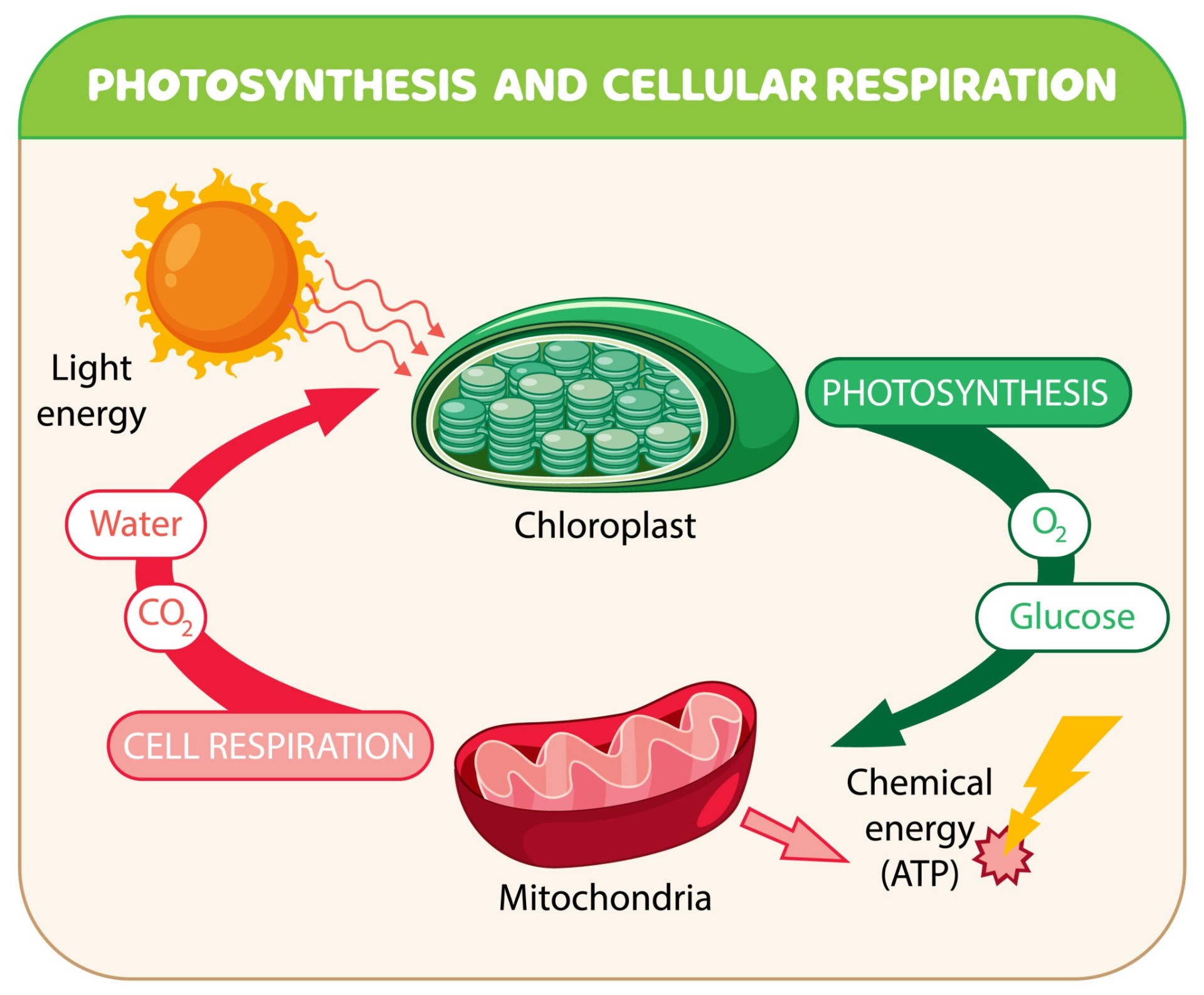
Life is an energy-processing event. This unit explores how living systems capture, store, and utilize energy, governed by the laws of thermodynamics.
We will trace the flow of energy from the sunphotosynthesis (stored in bonds) cellular respiration (released as ATP). This highlights the ancient, conserved metabolic machinery that connects all living things.
🧵 Section 2: Core Threads
Thread 1: Structure Dictates Function
1. Enzyme Specificity:
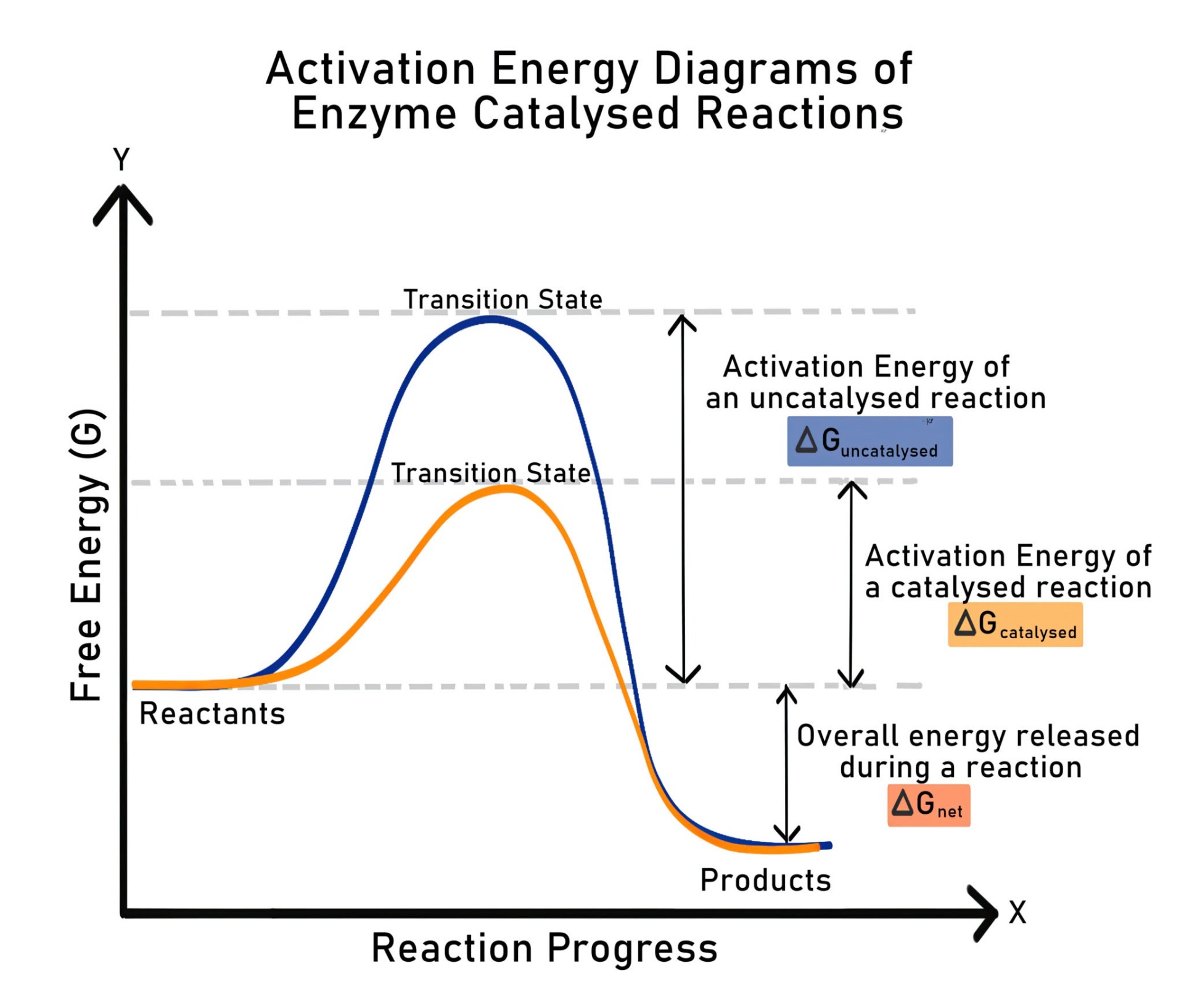
It’s all about the fit. An enzyme's active site has a unique 3D shape (determined by its amino acid sequence) that matches a specific substrate. This precise fit lowers activation energy, allowing life to happen at biological temperatures.
2. Compartmentalization:
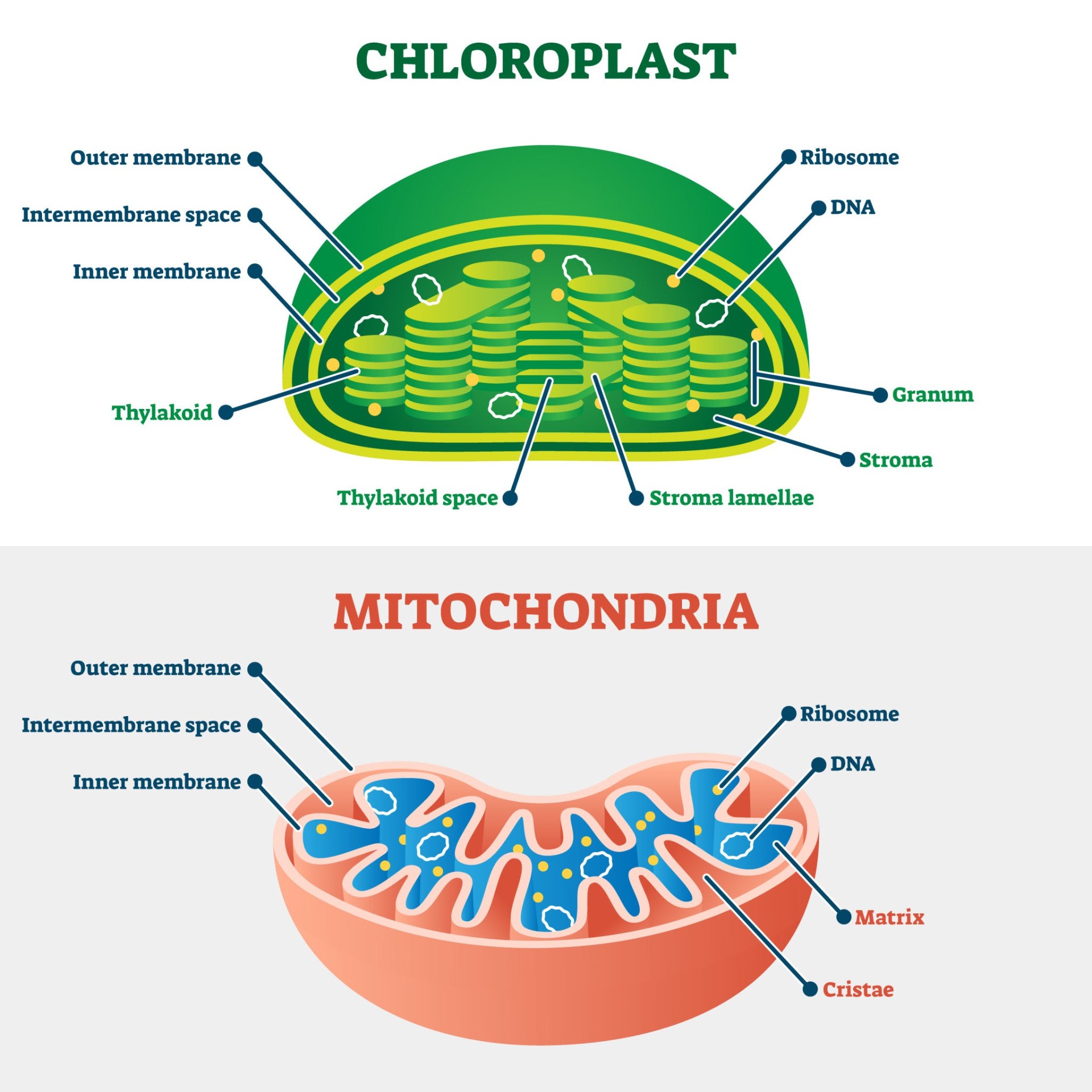
Organelles like mitochondria and chloroplasts are structural masterpieces. Their internal membranes create specialized rooms (like the thylakoid space or mitochondrial matrix) to establish electrochemical gradients and maximize efficiency.
Thread 2: Conserved Mechanisms
1. Chemiosmosis:
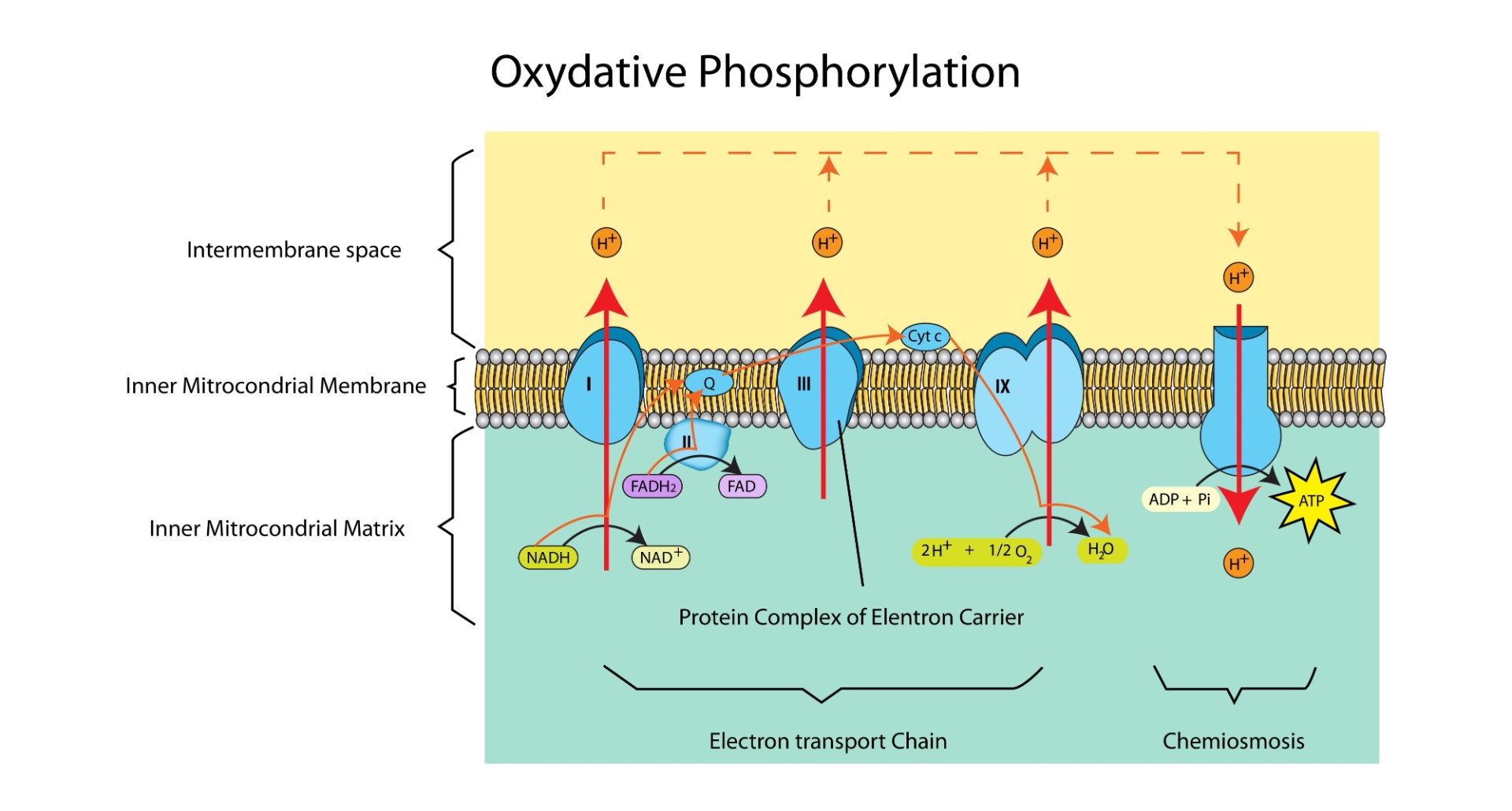
The universal battery charger. Used in both photosynthesis and respiration, an Electron Transport Chain (ETC) pumps protons to create a gradient. As protons flow back through ATP Synthase, ATP is generated.
2. Redox Reactions:
Think of electrons as energy packets. Life moves energy by transferring electrons. Helpers called coenzymes ( and ) act as shuttles, carrying high-energy electrons from breaking down food to building ATP.
⚡ Section 3: The Path of Energy (Mechanistic Flow)
From Sun ☀️ to Cell 🔋
Capture: Photosystems in thylakoids absorb photons, exciting electrons.
Light Reactions: Water () is split (releasing ). Excited electrons power the creation of a proton gradient for ATP and reduce to .
Calvin Cycle: is fixed into organic molecules by the enzyme RuBisCO, powered by ATP and NADPH.
Glycolysis: (In Cytoplasm) Glucose is broken down into pyruvate. A universal, ancient step. Small ATP yield, no needed.
Pyruvate Oxidation & Krebs Cycle: (In Mitochondrial Matrix) Pyruvate is fully oxidized. is released. Energy is loaded onto carriers (, ).
Oxidative Phosphorylation: The big payoff. and drop electrons at the ETC on the inner membrane.
Chemiosmosis: Oxygen () catches the electrons to form water (). The proton gradient drives ATP synthase to produce ~30-34 ATP.
Cellular Work: ATP hydrolysis powers the cell.
🗺️ Section 4: System Diagram
Levels of Organization
| Level | Photosynthesis 🌿 | Cellular Respiration 🦁 |
|---|---|---|
| Molecule | Chlorophyll, , , , | Glucose, , , , |
| Organelle | Chloroplast (Thylakoid, Stroma) | Mitochondrion (Matrix, Inner Membrane) |
| Organism | Autotrophs (Producers) | Heterotrophs & Autotrophs |
🧠 Section 5: Evidence & Topics
Evidence Bank:
Endosymbiotic Theory
Thermodynamics
Cyanobacteria
C4 Plants
Topic Navigator:
3.1 Enzymes: The catalysts of life.
3.2 Environment: pH, Temp & Rate.
3.3 Cellular Energy: Coupling reactions.
3.4 Photosynthesis: Light Chemical Energy.
3.5 Respiration: Chemical Energy ATP.
🎯 Section 6: Exam Focus (High Yield)
Evolutionary Connection:
Remember Endosymbiosis. Mitochondria and chloroplasts have their own DNA and double membranes, suggesting they were once free-living prokaryotes. This explains the conserved nature of glycolysis across all domains of life.
Mechanism Mastery:
Focus on the gradients. The directional pumping of protons is the direct power source for ATP synthase. No gradient = No ATP.
Comparison Trap:
Be ready to contrast inputs/outputs.
Photosynthesis: Needs , releases .
Respiration: Needs , releases .
🚫 Section 7: Myth Busters
Myth: Plants only photosynthesize, animals only respire.
- Fact: Plants do BOTH! They make food (photosynthesis) and then must break it down for energy (respiration).
Myth: Respiration "creates" energy.
- Fact: Physics violation! Energy is never created, only transformed (bond energy ATP heat).
Myth: They are just reverse reactions.
- Fact: The equations look opposite, but the pathways, enzymes, and locations are totally different.
📝 Summary
Unit 3 is the engine room of biology. It starts with enzymes regulating traffic. It flows into two massive pathways: Photosynthesis (capturing solar energy) and Cellular Respiration (burning fuel for ATP). By understanding the conserved mechanisms like chemiosmosis and glycolysis, we see the shared ancestry of all life on Earth. Energy flow is the key to biological order.