AP Biology Flashcards: Enzymes
Written by AP Content Team, Verified for 2026 AP Exams, Last updated: August 2026
Review key ideas with interactive flashcards. This set includes 10 cards to help you master important concepts.
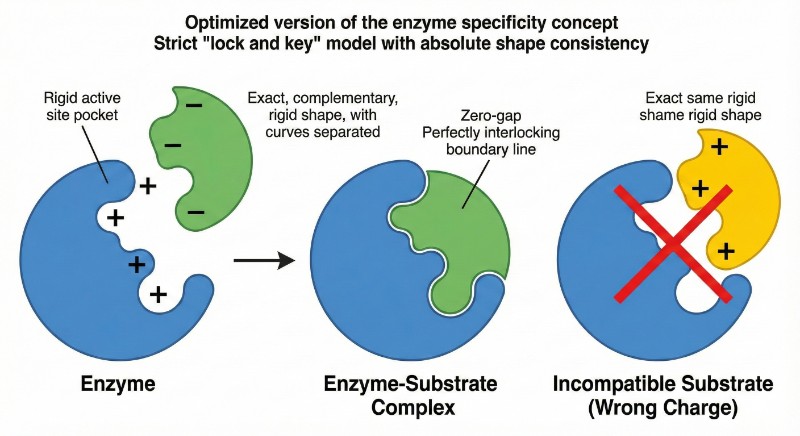
What is the primary requirement for an enzyme to mediate a reaction with a substrate?
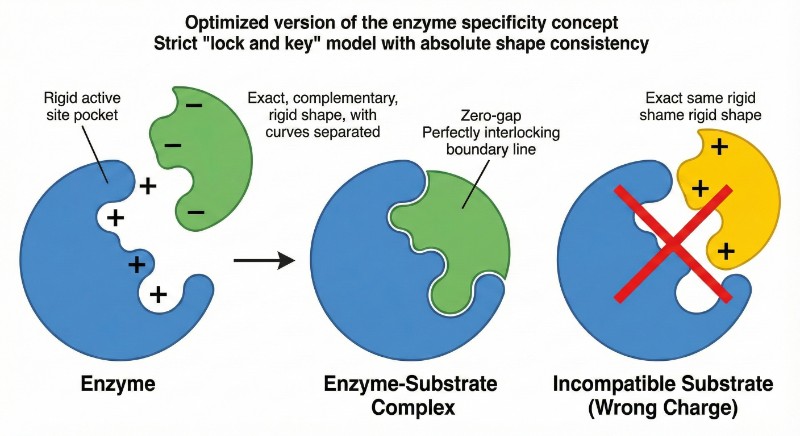
For an enzyme-mediated reaction to occur, the substrate's shape and charge must be compatible with the enzyme's active site.
Card 1 of 10
All Flashcards (10)
What is the primary requirement for an enzyme to mediate a reaction with a substrate?
For an enzyme-mediated reaction to occur, the substrate's shape and charge must be compatible with the enzyme's active site.
To increase the rate of a specific cellular reaction, what biological molecule would be most effective?
An enzyme would be most effective, as its function is to act as a biological catalyst that speeds up chemical reactions.
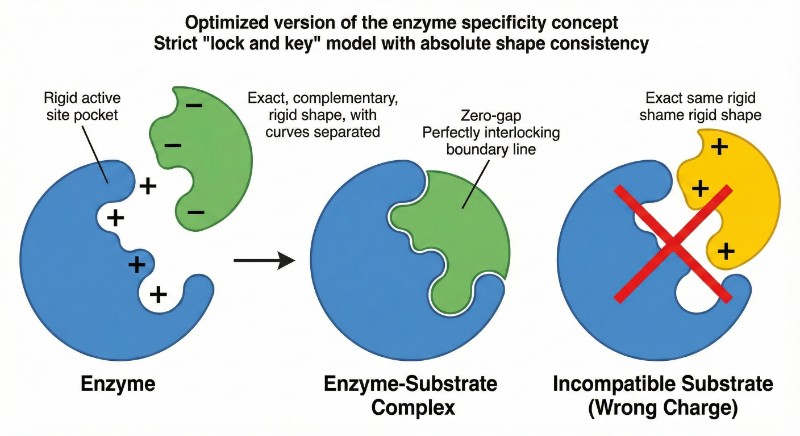
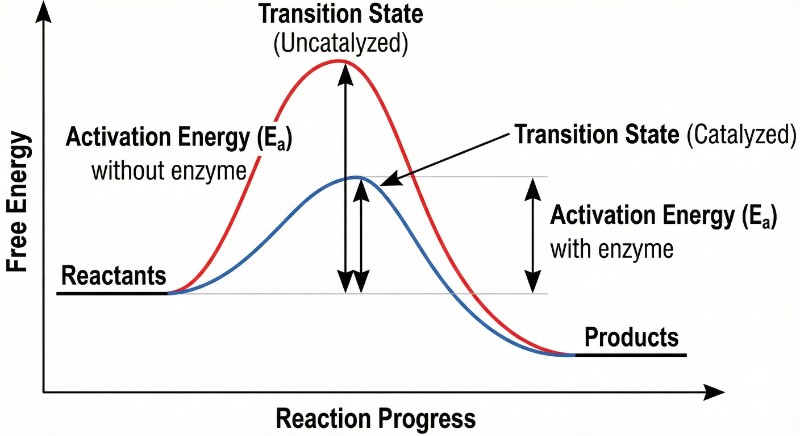
What is the key mechanism by which enzymes act as catalysts?
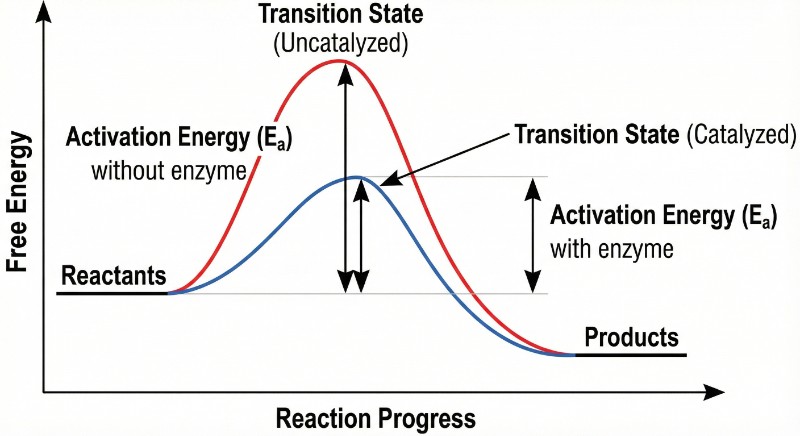
The key mechanism is the lowering of the activation energy required for a chemical reaction to begin.
What is a biological catalyst?
A biological catalyst is a protein, specifically an enzyme, that accelerates chemical reactions within a biological system.
What is the role of an enzyme's active site?
The active site is the specific region of an enzyme where a substrate with a compatible shape and charge binds for a reaction to be catalyzed.
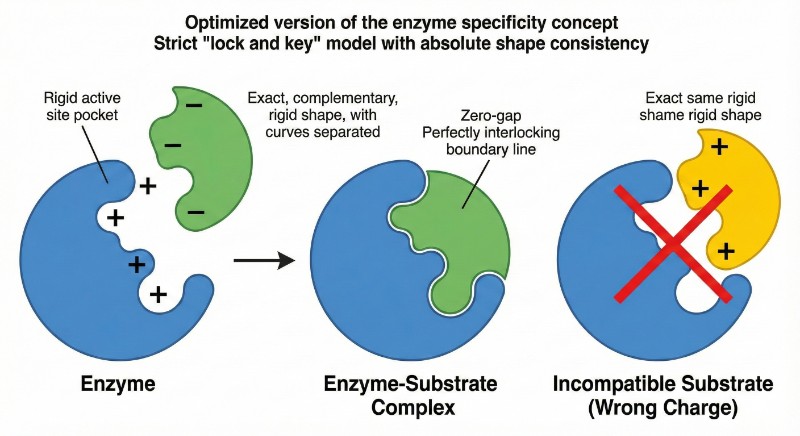
What does the enzyme-substrate complex model describe?
The enzyme-substrate complex model describes the necessary compatibility of a substrate's shape and charge with an enzyme's active site for a reaction to occur.
What is an enzyme?
An enzyme is a protein that acts as a biological catalyst to speed up chemical reactions in cells.
How do enzymes affect the rate of biological reactions?
Enzymes speed up the rate of biological reactions by lowering the activation energy required for the reaction to proceed.
What type of macromolecule are enzymes?
Enzymes are a type of protein.
A substrate has the correct shape to fit an enzyme's active site, but its charge is not compatible. Will an enzyme-mediated reaction occur?
No, a reaction will not occur because both the substrate's shape and charge must be compatible with the enzyme's active site.