
AP U.S. History Flashcards: Military Conflict in the Civil War
Written by AP Content Team, Verified for 2026 AP Exams, Last updated: August 2026
Review key ideas with interactive flashcards. This set includes 10 cards to help you master important concepts.
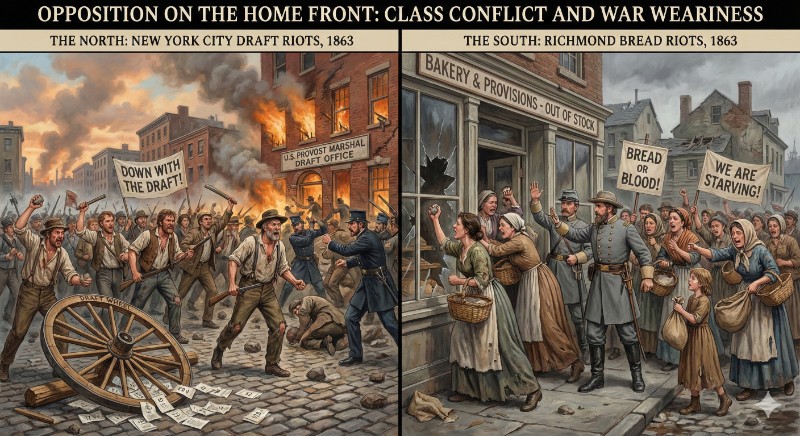
What was a shared characteristic of the Union and Confederate war efforts on the home front?
Both the Union and the Confederacy mobilized their economies and societies to wage the war, and both faced considerable home front opposition.
Card 1 of 10
All Flashcards (10)
What was a shared characteristic of the Union and Confederate war efforts on the home front?
Both the Union and the Confederacy mobilized their economies and societies to wage the war, and both faced considerable home front opposition.
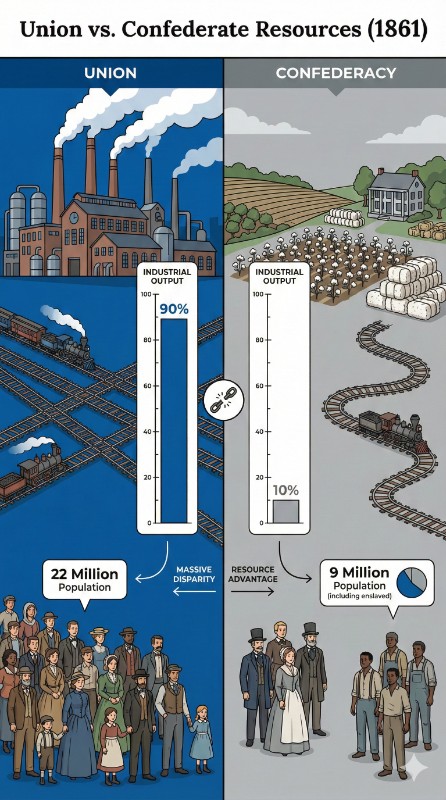
Identify the four primary factors that contributed to the ultimate Union victory in the Civil War.
The Union ultimately succeeded due to improvements in leadership and strategy, key victories, greater resources, and the wartime destruction of the South’s infrastructure.
Which side demonstrated greater military initiative in the early stages of the Civil War?
The Confederacy showed more military initiative and prowess early in the war.
What were the main components of the Union's successful war effort?
The Union's success was built on a combination of factors including leadership, strategy, key victories, superior resources, and the destruction of Southern infrastructure.
Despite early Confederate military success, what two internal Union developments were critical in turning the tide of the war?
The Union's improvements in leadership and overall strategy were critical developments that allowed it to overcome the Confederacy's early military initiative.
Beyond battlefield tactics, what economic advantage was a major contributor to the Union's success?
The Union's greater resources were a crucial factor that allowed it to sustain its war effort and ultimately succeed over the Confederacy.
Term: Wartime Mobilization (Civil War)
This refers to the process by which both the Union and Confederacy organized their complete economies and societies to support the war effort.
Explain the paradox of the Civil War's early stages regarding military performance and the final outcome.
Although the Confederacy displayed superior military initiative early on, the Union's advantages in resources, leadership, and strategy ultimately led to its victory.
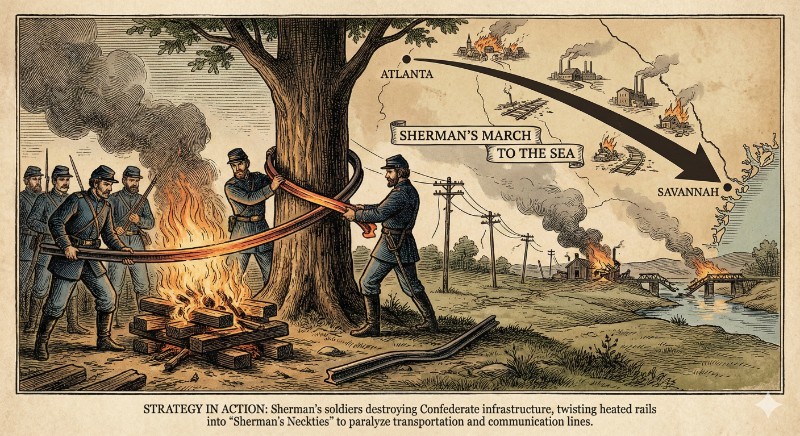
How did the Union's strategic approach toward the South's infrastructure impact the war's outcome?
The Union's strategy of destroying the South’s infrastructure was a key factor that directly contributed to its victory by crippling the Confederacy's ability to wage war.
Term: Home Front Opposition (Civil War)
This refers to the significant internal dissent and resistance faced by both the Union and Confederate governments as they mobilized for war.